Choosing Highly Rated St Cloud Environmental Consultants
Sustainable Solutions: Expert Environmental Advisory for Your Business
Green strategies form a cornerstone of current business marketplace. Expert sustainability advisory allows businesses the opportunity to improve efficiency while minimizing their ecological impact. Through addressing ecological impact and regulatory standards, specialists help companies along the path of green initiatives. This progression not only benefits Earth but also resonates with the priorities of eco-conscious consumers. The path toward sustainable business, nevertheless, is layered and demands careful review of numerous elements. What measures might companies adopt to launch this transformation?
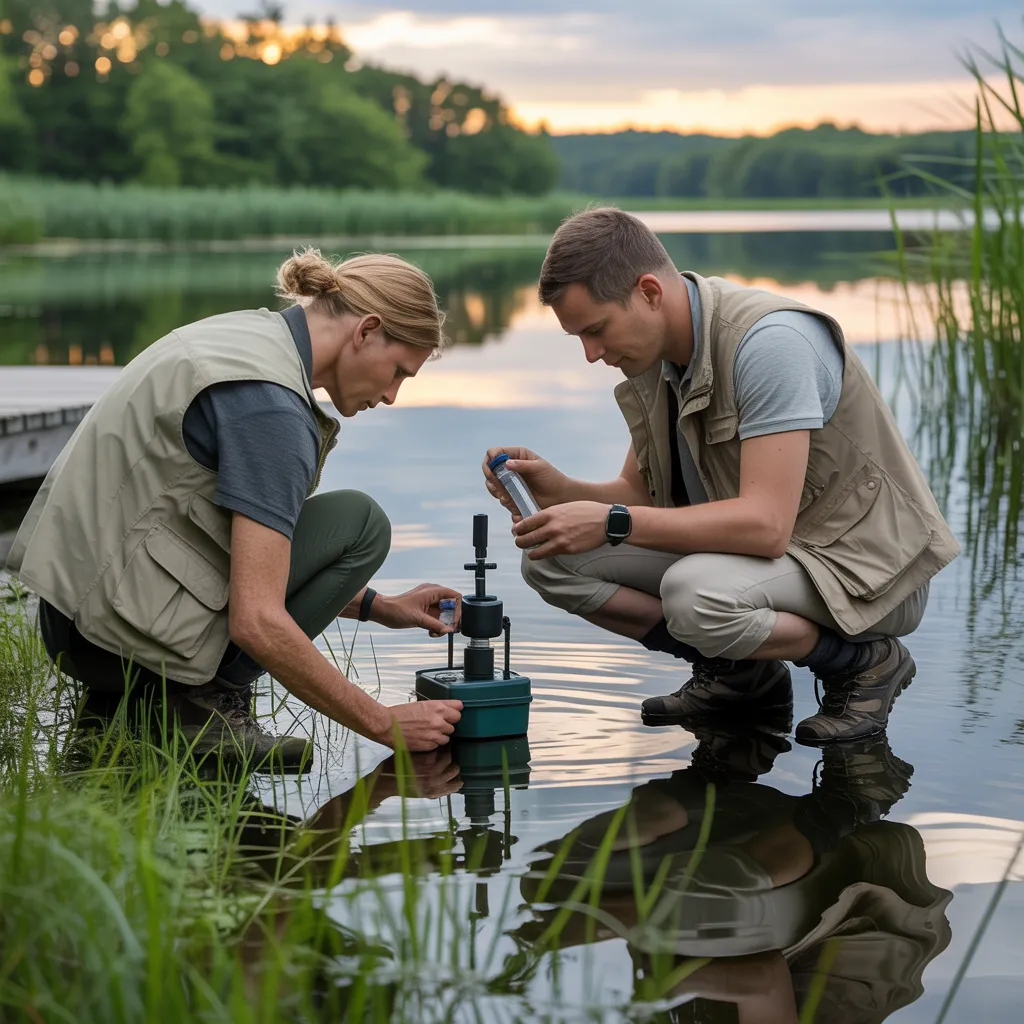
Comprehending Environmental Advisory and Its Benefits
Comprehending sustainability advisory services is indispensable for corporations planning to roll out environmentally conscious practices. This profession demands informed counsel on environmental regulations, ecological strategies, and resource management. Environmental consultants analyze a company's performance to reveal developmental areas, securing respect for ecological mandates and restricting ecological repercussions.
The benefits of hiring environmental consultants are substantial. They provide customized solutions that boost operational performance, reduce waste, and decrease costs associated with resource consumption. By assessing potential environmental risks, consultants help businesses address liabilities and enhance public perception. Additionally, the incorporation of sustainable practices often leads to innovation and competitive advantage in the marketplace.
Over the long term, collaborating with environmental consultants builds a culture of sustainability within organizations, prompting employees to implement environmentally responsible behaviors. By leveraging their expertise, businesses not only aid in environmental protection but also establish themselves as leaders in corporate responsibility, engaging increasingly environmentally minded consumers.
Assessing Your Environmental Footprint
Determining a organization's environmental footprint includes identifying key impact areas and quantifying resource consumption rates. By assessing these variables, businesses can discover where betterment is needed. This process not only fosters sustainable practices but also enhances operational efficiency.
Uncovering Key Impact Categories
Many companies overlook the critical importance of identifying key impact areas when assessing their environmental footprint. By pinpointing specific aspects of their operations that contribute to ecological harm, companies can create targeted strategies for enhancement. These key zones often include power usage, waste production, water use, and emissions. Comprehending these elements allows businesses to rank measures that yield the most significant ecological advantages. In addition, engaging interested parties in this identification process cultivates a culture of sustainability within the entity. By recognizing and tackling these key impact areas, companies position themselves to improve their overall ecological responsibility, reduce costs, and meet regulatory requirements. This proactive approach ultimately promotes long-term ecological and economic viability.
Measuring Asset Usage Rates
Once key impact zones are recognized, the next step involves measuring resource consumption rates to evaluate the company's environmental footprint. This procedure requires an systematic approach to collect information on energy, water, and material usage across all operations. Employing instruments like power assessments, water assessments, and material tracking analysis can offer understanding into usage trends. Companies should also consider establishing standards to compare against sector benchmarks or previous results. By analyzing these metrics, enterprises can pinpoint inefficiencies and opportunities for reduction. Accurate measurement not only helps in adherence with ecological laws but also improves corporate sustainability strategies. This data-driven approach is crucial for choosing wisely that support long-term environmental goals.
Main Domains for Green Commercial Approaches
Likewise, corporations can channel resources into alternative energy solutions, as well as solar or wind, to lessen dependence on fossil fuels. Employee involvement in environmental programs fosters a sense of accountability, motivating innovation and commitment toward sustainable methods. Ultimately, transparent communication on environmental milestones and advancements solidifies trust among investors and conveys accountability. Through timely resource consolidating these core areas, businesses contribute to environmental preservation and position themselves as leaders in corporate responsibility, captivating increasingly eco-aware consumers.
Locating the Ideal Eco Professional for You
Picking an environmental consultant necessitates a solid grasp of a business's specific needs and goals. Evaluating these requirements enables organizations to align with consultants who demonstrate the pertinent skills and track record. This strategic approach assures that businesses make informed choices for sustainable solutions.
Evaluating Your Business Needs
When enterprises acknowledge the value of sustainability, they often encounter the challenge of identifying the right green advisor to meet their specific requirements. This procedure begins with a thorough review of the organization's environmental objectives, regulatory requirements, and current approaches. Companies should consider their industry context, operational scale, and specific challenges, such as waste management or power efficiency. Engaging various stakeholders across the company can provide important perspectives into the priorities and desired results of the consulting relationship. Moreover, it is critical to define the service range needed, whether it be compliance, business strategy development, or professional development. By clearly outlining these requirements, businesses can streamline the selection process and guarantee a more effective collaboration with their chosen consultant.
Assessing Consultant Abilities
How can enterprises ensure they determine the appropriate environmental advisor? Analyzing consultant knowledge demands numerous critical considerations. Initially, organizations should review the consultant's credentials, encompassing appropriate qualifications, preparation, and experience in particular environmental industries. Then, examining previous projects and customer endorsements furnishes insight into the consultant's results and dependability. Furthermore, understanding their framework to environmental responsibility—whether they emphasize cutting-edge approaches or regulatory adherence—is essential. Communication proficiency also fulfill a important part; a consultant must explicitly communicate difficult details to different stakeholders. In conclusion, incorporate the consultant's dedication to continuous learning and keeping current on environmental requirements and breakthroughs. Through carefully reviewing these elements, organizations can reach prudent selections and engage a consultant best suited to their specific requirements.
Create Your Custom Green Approach
A well-crafted sustainability strategy has the ability to greatly improve a corporate ecological effect and functional efficiency. This initiative commences with a rigorous assessment of the organization's current procedures, locating segments where advancements can be made. Key stakeholders should be engaged in this analysis to ensure varied viewpoints are reviewed.
Subsequently, distinct, quantifiable goals must be created. These goals should align with the broader aims of the organization while addressing environmental challenges such as minimizing waste, operational efficiency, and sustainable resource management.
Furthermore, it is crucial to incorporate innovative solutions customized for the unique challenges of the industry. Collaborating with expert environmental consultants can provide useful knowledge into industry standards and emerging technologies.
At the end of the day, a effective communication plan can establish a sustainability mindset within the organization, making certain that all employees appreciate their stakes in meeting these goals. This comprehensive approach ultimately renders the business a sustainability authority.
Executing Environmentally Responsible Solutions Effectively
Effective execution of eco-friendly initiatives requires a deliberate strategy that emphasizes clear direction and intent. Businesses must first establish clear objectives, identifying concrete environmental targets in line with their overall mission. This entails partnering with stakeholders, such as employees and suppliers, to foster a culture of sustainability throughout the organization.
Next, companies should allocate resources effectively, guaranteeing that the required tools, training, and technologies are in position to facilitate eco-friendly initiatives. Regular communication is crucial, as it keeps all parties updated and motivated.
Moreover, embedding environmental practices into existing processes can boost efficiency and reduce opposition to transformation. By launching test programs, enterprises can assess practicality and refine approaches before full-scale implementation.
Ultimately, a committed leadership team, paired with transparent processes and ongoing engagement, can greatly enhance the effectiveness of eco-friendly initiatives, resulting in enduring advantages for both the organization and the environment.
Following Your Sustainability Initiatives
What techniques can businesses employ to document their environmental development proficiently? Companies can utilize a variety of mechanisms and benchmarks to calculate their environmental impact and advancements. One common approach is the embrace of performance indicators that focus on energy usage, waste elimination, and carbon emissions. By determining clear benchmarks, businesses can assess their enhancements over time.
Furthermore, software tools that monitor resource consumption and emissions can provide instantaneous data, enabling better-informed choices. Periodic sustainability audits are also critical, allowing companies to identify opportunities for improvement and ensure compliance with environmental laws.
Bringing contributors within surveys and feedback mechanisms can notably advance the tracking process, encouraging a mindset of ownership and perpetual development. Ultimately, a comprehensive strategy to tracking sustainability progress facilitates businesses to make informed adjustments and reveal their devotion to green practices.
Common Questions Posed
How Much Does Environmental Advisory Services Typically Cost for Companies?
Environmental consulting fees for companies typically span from $100 to $300 per hour, depending on the firm's experience and project complexity. Fixed project fees may also be available, differing based on the services needed and timeframe.
Which Credentials Must I Seek out in an Environmental Professional?
When identifying an environmental consultant, you should search for certifications such as Certified Environmental Professional (CEP), ISO 14001, or LEED accreditation, as these show expertise and dedication to sustainable practices within environmental management.
Do Small Organizations Stand to Gain From Eco-Consulting Services?
Yes, small businesses can meaningfully gain advantage from green consulting services. These expert services help improve resource allocation, minimize waste, strengthen compliance with regulations, and advance comprehensive sustainability, eventually generating financial benefits and a enhanced corporate reputation.
How Often Should I Update My Environmental Strategy?
Updating a sustainability strategy should occur annually or biannually, based on industry changes and business expansion. Frequent evaluations guarantee alignment with changing compliance requirements, stakeholder expectations, and innovation progress, fostering ongoing development and enhanced ecological outcomes.
What Sectors Benefit the Greatest From Environmental Expert Advice?
Industries like manufacturing, construction, energy, and agriculture benefit substantially from environmental consulting. These sectors commonly experience legal requirements, resource utilization challenges, and sustainability goals that need skilled direction to boost their environmental performance and compliance.